 Listicle
How Do You Plan a Meaningful Vow Renewal Ceremony?
Quick Summary
A vow renewal ceremony lets a couple restate their commitment in their own words, without a marriage license or the pressure of a first wedding. Most suit a private, small, or larger gathering, and typically run 10 to 20 minutes.
- Choose the guest count first, then build your budget around it.
- Private ceremonies for two often cost less because venue, catering and guest logistics drop out.
- Plan a backup indoor location, since Smoky Mountain weather can change quickly.
- Keep the ceremony under 15 minutes to hold guests' attention while still feeling complete.
- Give the officiant a printed copy of your script ahead of time to avoid last-minute confusion.
Table of Contents
- Why Couples Choose a Vow Renewal Ceremony
- Intimate Vow Renewal Ideas by Budget and Guest Count
- Scenic Locations, Weather, and Backup Planning
- Personal Wedding Vows Examples You Can Adapt
- A Simple Vow Renewal Ceremony Script to Follow
- How Long a Vow Renewal Ceremony Should Run
- Booking Your Smoky Mountain Renewal With Mountain Preacher
- Frequently Asked Questions
Why Couples Choose a Vow Renewal Ceremony
A vow renewal lets two people restate their commitment in their own words, on their own terms. There is no marriage license to file and no pressure to match the scale of a first wedding. That freedom is the main draw for most couples.
Renewals also suit couples who eloped or married quietly and never had the celebration they wanted. The ceremony can be as small as two people on a trail or as large as a full party with family.
Intimate Vow Renewal Ideas by Budget and Guest Count
The right format depends on how many people you want present and how much you plan to spend. A practical approach is to choose the guest count first, then build the budget around it. Most couples land in one of three tiers: a private ceremony for two, a small gathering of 10 to 30 guests, or a larger celebration of 40 or more. Each tier changes the venue, the vendor list, and the ceremony length.
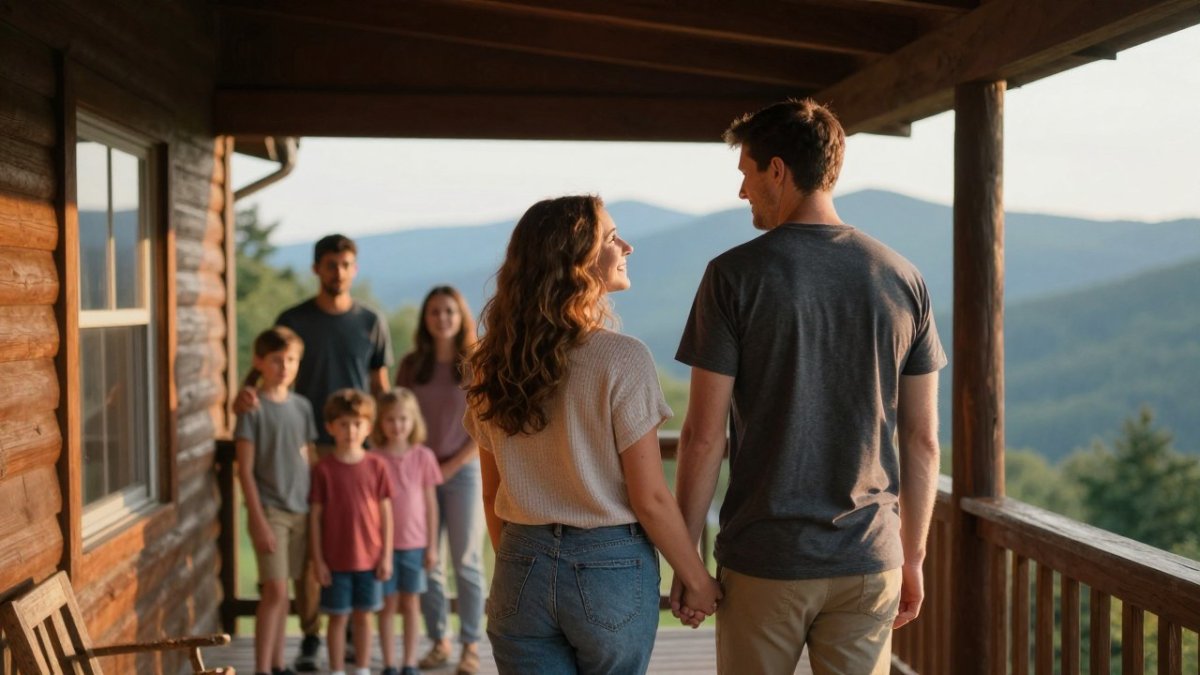
Private Ceremonies for Two
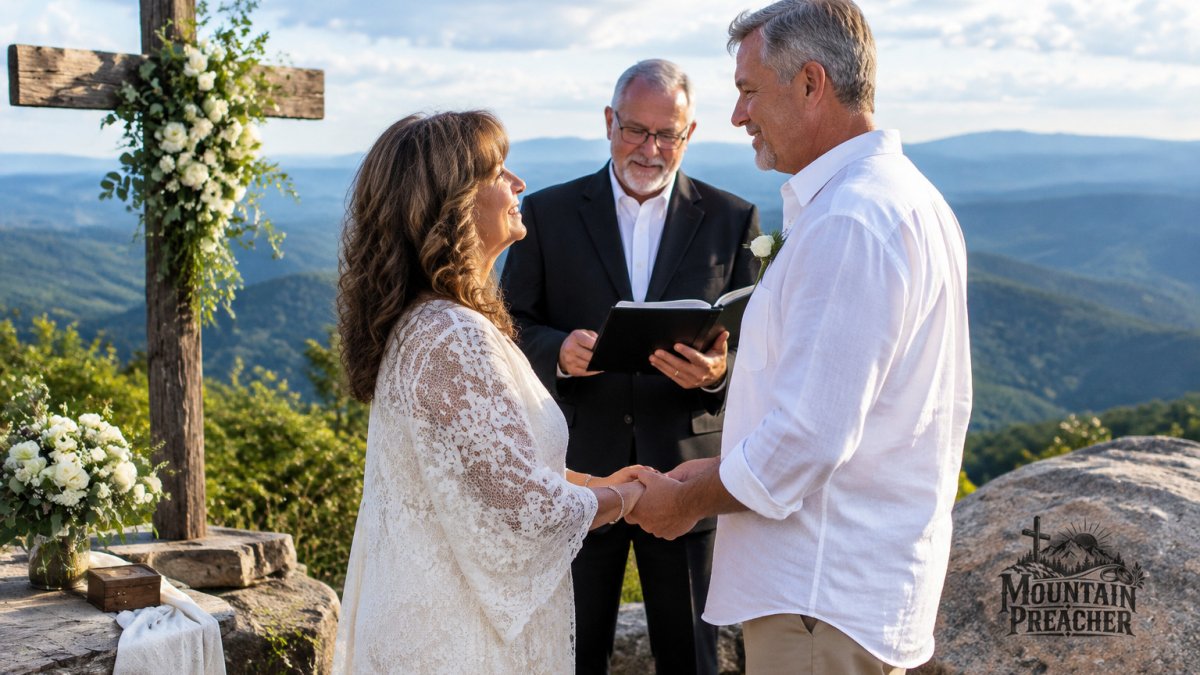
A ceremony for just the two of you is often the most emotional option. Choose a quiet overlook, a cabin porch, or a spot by a waterfall at sunrise. You can skip the photographer if you prefer, or ask a friend to take a few phone photos. Ask an officiant to read a short script while you hold hands, then exchange personal vows and a keepsake ring or token.
A common pattern is to keep the private tier to the officiant fee, a simple bouquet, and a nice meal afterward. A private ceremony is often a lower-cost format because it removes venue rental, catering, and guest logistics. Pricing depends on date, location, and services chosen, so check Mountain Preacher's website for current prices or request a quote.
Small Gatherings With Close Family and Friends
Inviting 10 to 30 guests adds warmth without the logistics of a large event. Keep the list to the people who matter most, and consider asking one or two of them to read a passage or share a memory. A backyard, a rented cabin deck, or a reserved picnic shelter can hold this group comfortably and keeps the budget predictable.
Watch out: guests who travel a long way often need lodging and transportation planned early, so confirm numbers at least a few weeks ahead and send a simple invitation with the date, time, dress code, and whether a meal follows.
Larger Celebrations With a Full Guest List
A renewal with 40 or more guests starts to look like a small wedding. You will need a venue with parking and weather cover, a caterer, and a plan for seating. The ceremony itself can stay short, but the reception becomes the main event. Many couples use this tier to recreate a favorite first-dance song, serve a signature drink, and display photos from the years since the first wedding.
Ideas That Work at Every Budget
- Vow cards: Write your promises on index cards and read them aloud; the cards become a keepsake.
- Photo timeline: Set up a small table with one photo per year of marriage.
- Guest memory jar: Ask each guest to write a memory or wish and drop it in a jar to read later.
- Reuse the original: Wear a piece of the original wedding outfit, or use the same reading or song.
- Simple décor: Candles, greenery, and string lights cost little and photograph well.
A useful way to plan is to set a total budget first, then decide how to divide it among venue, food, attire, photography, décor, and officiant fees. Adjust the split based on which elements matter most to you.
Scenic Locations, Weather, and Backup Planning
Smoky Mountain weather can change quickly. Plan a backup location, such as a covered porch or indoor space, and confirm it with your officiant before the day.
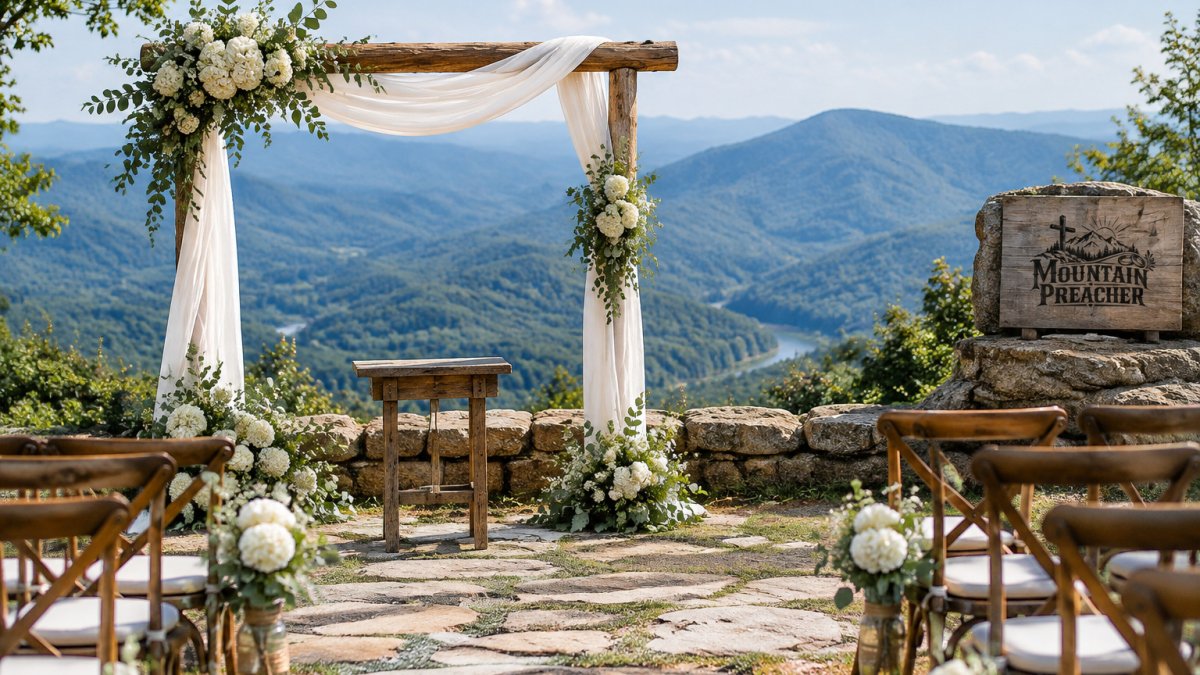
Popular settings include cabin decks, scenic overlooks, and areas near waterfalls. Some natural sites require permits or have rules about gatherings, so check the requirements for the specific location you pick (Special Event Permits (U.S. National Park Service)).
Personal Wedding Vows Examples You Can Adapt
Personal vows work best when they sound like you. Short, specific promises often land better than long speeches. Here are two adaptable examples:
"Ten years ago I promised to build a life with you. Today I promise to keep choosing that life, especially on the hard days, and to keep making you laugh when you need it most."
"You taught me that love is showing up. I promise to keep showing up for you, in the mountains and in the everyday moments in between."
Feel free to change the details to reflect your history, inside jokes, or shared memories.
A Simple Vow Renewal Ceremony Script to Follow
A basic script keeps the ceremony moving and gives you a clear structure. A typical order looks like this:
- Welcome and a short opening reflection from the officiant
- Reading or meaningful words chosen by the couple
- Exchange of vows, either traditional or personal
- Exchange of rings or keepsakes, if you wish
- Closing blessing or pronouncement
- Kiss, celebration, and photos
What the Officiant Says
The officiant sets the tone in the first minute. A simple opening might read: "Friends and family, we gather today to celebrate a commitment that has grown over years. [Names] have chosen to renew their vows, and we honor the love they have built together." From there, the officiant can add one sentence about how the couple met or a milestone from the marriage, which makes the ceremony feel personal rather than generic.
If you prefer a nonreligious ceremony, ask the officiant to use secular language such as "commitment" and "promise" instead of "blessing" or "prayer." If faith matters to you, a short prayer or reading from your tradition can be placed after the welcome. Most officiants keep both versions on hand and will adapt to your preference.
Where to Put Readings and Music
Readings work best right after the welcome, before the vows, because they frame the promises that follow. One reading is usually enough for a short ceremony; two readings suit a longer one. Music can open the ceremony, accompany the ring exchange, and play during the kiss. A single song played from a phone and a small speaker is common at private and small ceremonies.
Vows, Rings, and Keepsakes
The vow exchange is the center of the ceremony. You can read personal vows, repeat traditional lines after the officiant, or do one of each. If you exchange rings, the officiant can say a short line such as: "These rings are a reminder of the promises you make today." Couples who already wear wedding rings sometimes exchange a new band, a necklace, or a handwritten letter instead.
Closing and Pronouncement
The closing should be brief. The officiant can offer a final sentence of thanks to guests, then pronounce the couple renewed: "By the commitment you have made today, I affirm the love you share. You may kiss." After the kiss, the officiant can invite guests to applaud or to join a group photo, which gives the ceremony a clear ending.
Watch out: if you write your own script, print two copies and give one to the officiant ahead of time; last-minute changes read poorly from a phone in bright sun.
A Short Sample Script You Can Adapt
Officiant: "We are gathered to celebrate [Names], who today renew the promises they made years ago. Their marriage has grown through [shared detail]. They have chosen to say aloud what they live every day."
Reading: [One short passage or poem chosen by the couple.]
Vows: [Personal vows, read by each partner.]
Ring exchange: "These rings mark the commitment you renew today."
Closing: "By the promises you have made, I affirm your love. You may kiss."
Feel free to change the details to reflect your history, inside jokes, or shared memories.
How Long a Vow Renewal Ceremony Should Run
Most vow renewals run between 10 and 20 minutes. Shorter ceremonies suit small groups and outdoor settings where guests may be standing. Longer ones usually include readings, music, or several guest speakers.
Many couples find that under 15 minutes keeps everyone engaged while still feeling complete.
Ceremony length varies with group size and the elements you include, as summarised below.
| Ceremony type | Typical length | Best for |
|---|---|---|
| Short ceremony | Under 15 minutes | Small groups and outdoor settings |
| Typical ceremony | 10 to 20 minutes | Most vow renewals |
| Longer ceremony | Over 20 minutes | Readings, music, or guest speakers |
Booking Your Smoky Mountain Renewal With Mountain Preacher
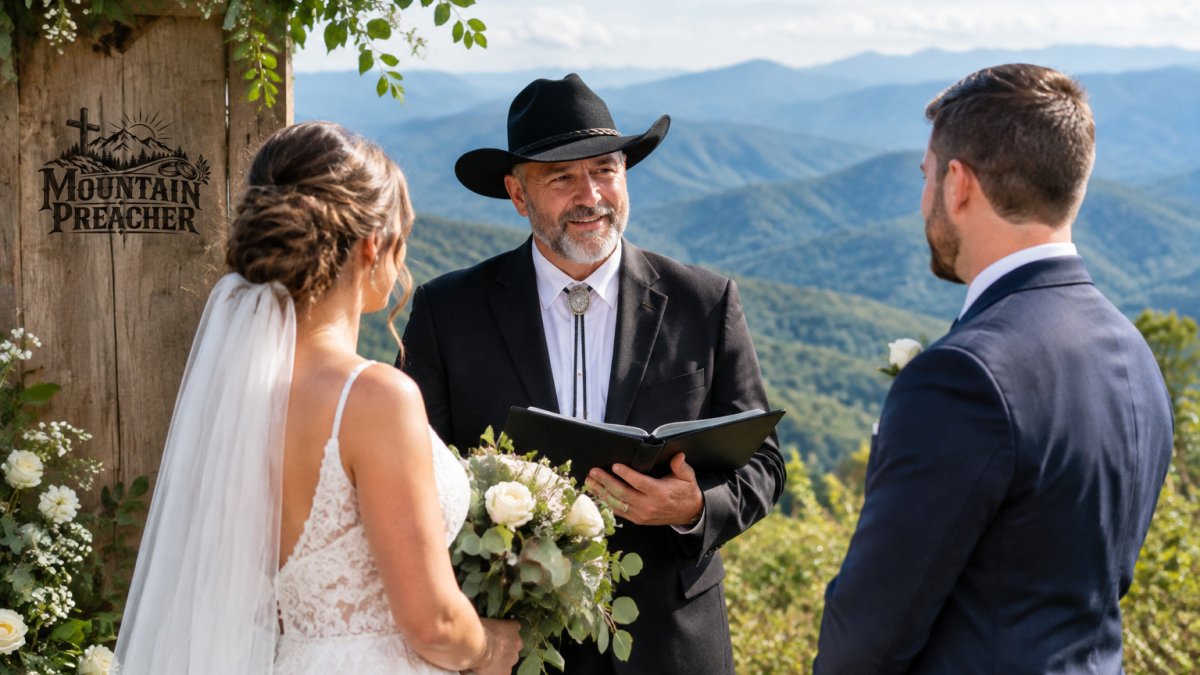
Mountain Preacher works with couples planning vow renewals, elopements, and cabin or overlook ceremonies in the Great Smoky Mountains. Pastor Jody Secaur brings over 40 years of ministry experience and offers both Christian and civil ceremony options. As couples shape a ceremony around the promises they still choose each day, Christ Counselling Centre offers a reminder that renewing a marriage also means tending to the hearts behind those vows.
Wedding locations served include Pigeon Forge, Gatlinburg, and Sevierville. To check whether your preferred date is open, visit the Mountain Preacher website.
Frequently Asked Questions
Do you need an officiant for a vow renewal ceremony?
Not legally in every case, but most couples choose one for structure and calm. An officiant keeps the ceremony moving, handles the timing, and gives you someone to lean on if nerves take over. Because a vow renewal is not a legal marriage, you will not need a marriage license, but a planned, guided ceremony usually feels more meaningful than improvising in front of guests. Mountain Preacher offers personalized officiant services for renewals in the Great Smoky Mountains. Check current availability and fees directly with them.
How long should a vow renewal ceremony last?
Most vow renewal ceremonies run between 10 and 20 minutes. That leaves room for a short welcome, readings or remarks, the exchange of vows, and a closing. Intimate ceremonies for two can be shorter, while gatherings with extended family may need a few extra minutes. Keeping the ceremony brief helps guests stay engaged and leaves more time for photos and celebrating afterward.
What should you say during a vow renewal ceremony?
A typical flow includes a short welcome, a reflection on your life together, the vows themselves, and a closing blessing or pronouncement. Many couples recall how they first met, name what they have grown through, and promise specific things going forward. Keep each vow to a few sentences so the moment stays personal and unhurried. Writing them in advance, then reading them aloud once, helps them land well.
Can you write your own vows for a vow renewal?
Yes. Writing your own vows is one of the most popular choices for renewals because it reflects your actual relationship rather than a generic script. Start by listing two or three memories, one thing you appreciate now that you did not early on, and one promise you want to keep. Then shape those notes into short, spoken sentences. A simple script and personal vow examples can guide you if you are unsure where to start.