 how-to
Simple Wedding Ceremony in Pigeon Forge: Plan Your Day
Table of Contents
- What Makes a Simple Wedding Ceremony Work
- Small Wedding Ceremony Ideas for Mountain Settings
- Writing a Simple Wedding Ceremony Script
- Creating Meaningful Wedding Ceremony Ideas for Your Elopement
- Ceremony Locations and Venue Options
- Tennessee Marriage License Requirements and Timeline
- Planning Your Ceremony Day: Budget, Logistics, and What to Expect
- Frequently Asked Questions
Last Updated: October 14, 2026
What Makes a Simple Wedding Ceremony Work
A simple wedding ceremony is about clarity and intention. It strips away excess to focus on what matters most: the exchange of vows, the presence of loved ones, and the commitment you're making. Keeping things simple removes planning stress while creating space for genuine emotion.
What separates a meaningful simple ceremony from a rushed one is structure. Even the shortest ceremony needs a clear arc: an opening that sets the tone, the vow exchange, and a closing that marks the transition into married life. At Mountain Preacher, we've worked with couples planning intimate celebrations in the Great Smoky Mountains.
Simplicity is practical, too. A simple wedding ceremony in Pigeon Forge can happen almost anywhere, a cabin, a scenic overlook, a garden, because you're not constrained by what a traditional venue requires. You need an officiant, two people ready to commit, and a way to make it legal.
Small Wedding Ceremony Ideas for Mountain Settings
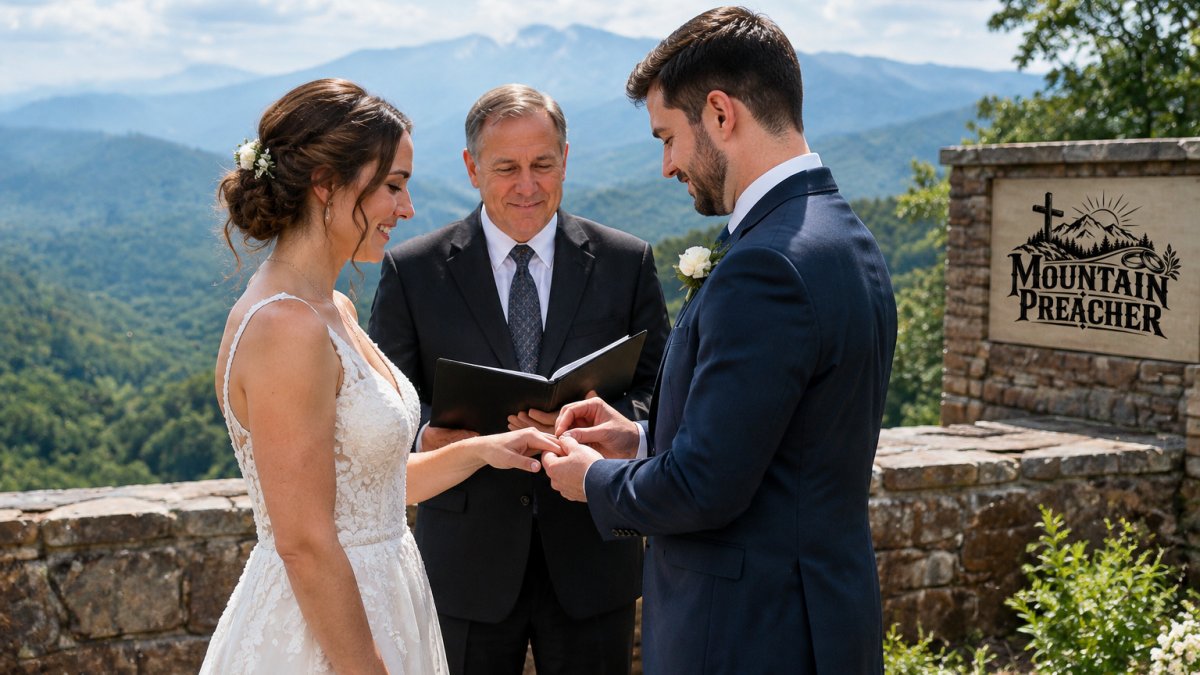
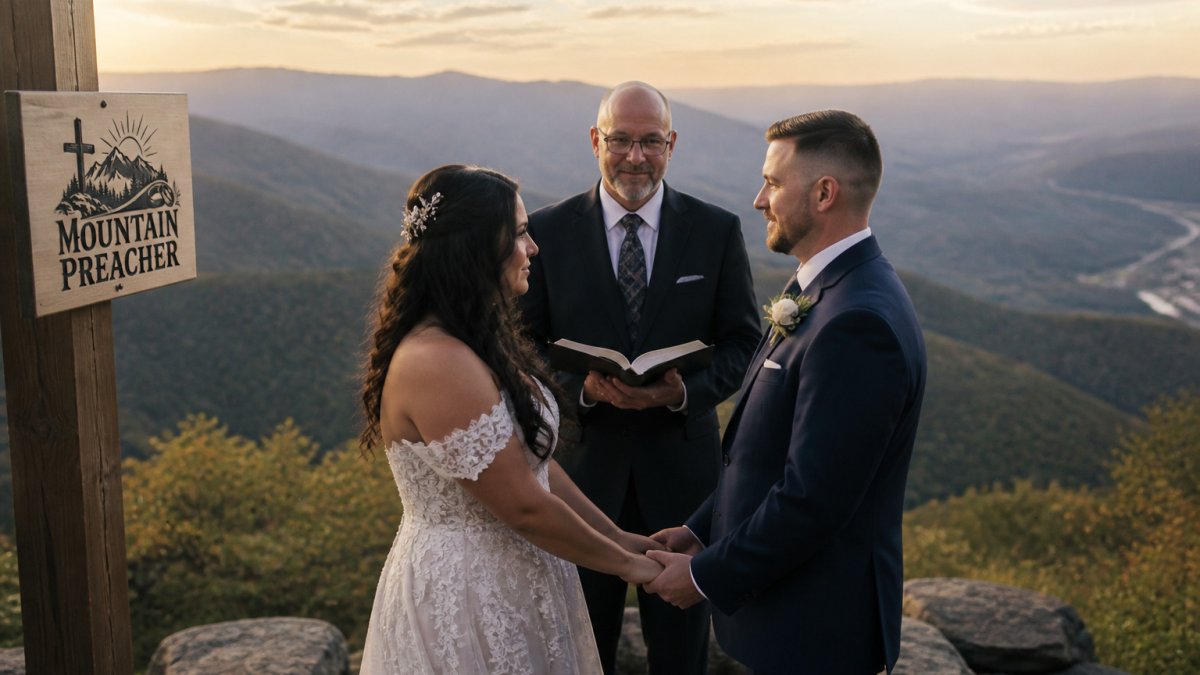
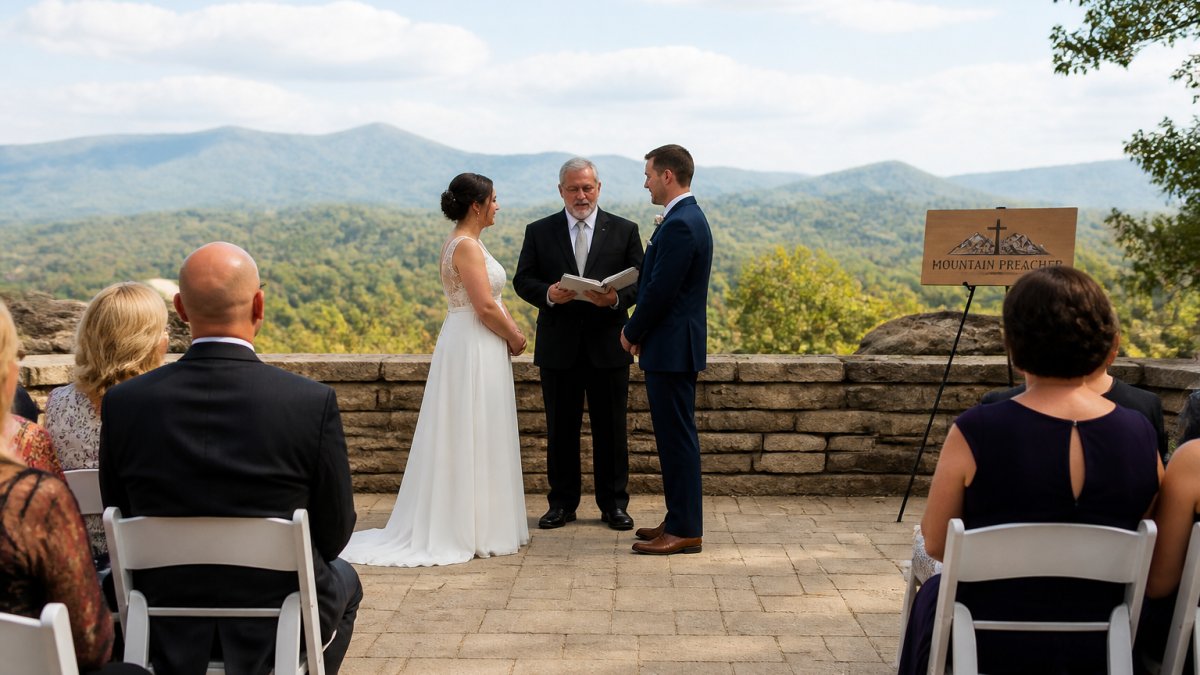
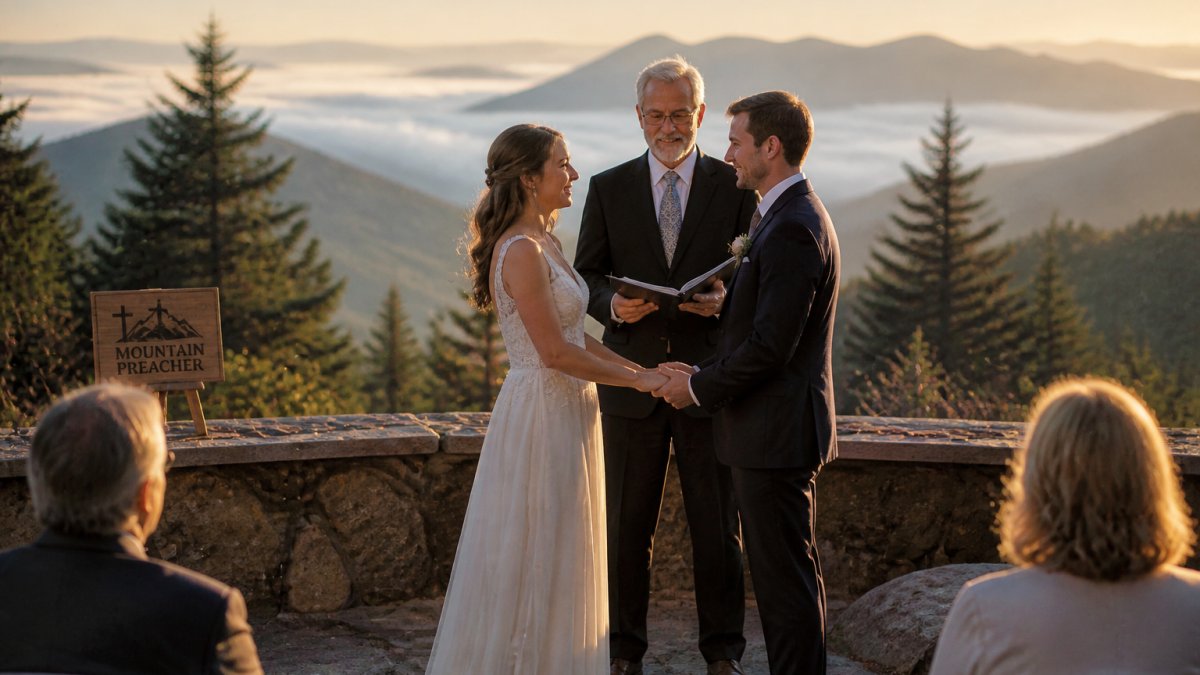
Mountain settings naturally support intimate ceremonies, the landscape does half the work. A small wedding ceremony in these scenic locations benefits from what's already there: dramatic backdrops, natural lighting, and the quiet that makes your words matter.
Consider placement carefully. A mountaintop overlook works best in clear weather with good footing; a cabin offers shelter and flexibility; waterfalls are stunning but require permit research and safety planning. Match the setting to the experience you want, mist rising through a valley is a different setup than a cabin porch with a few people present.
Small wedding ceremony ideas that work well in these settings include:
- Exchanging personal vows you've written yourselves, which transforms the ceremony into a conversation rather than a performance
- Including a symbolic act like lighting a candle together or planting a tree, which gives the moment a physical anchor
- Keeping the ceremony to 20-30 minutes total, which maintains focus and emotional intensity
- Inviting only people who've actively supported your relationship, which changes the energy entirely
- Building in silence or pauses, which lets what just happened actually land
Mountain Preacher specializes in ceremonies that fit these intimate settings. With over 40 years of ministry experience, Pastor Jody Secaur paces a ceremony so it feels unhurried even when brief, and personalizes language for couples who want something meaningful but not traditional.
Writing a Simple Wedding Ceremony Script
Your ceremony script is the spine of everything, it keeps the moment from feeling improvised. A good script balances structure with flexibility, giving you guardrails without sounding like a manual.
Start with a clear opening where the officiant welcomes people and sets expectations. Something like: "We're here today to witness and celebrate [your names] as they make a public commitment to each other." That's direct, warm, and tells everyone what's about to happen.
Elements to Include in Your Short Wedding Ceremony Script
A simple wedding ceremony script should contain these core elements:
Opening statement, The officiant welcomes guests and frames what's about to happen. Keep it 30-60 seconds and personal, not generic.
Your vows, This is where you speak directly to each other. Even if they're short, they're the emotional center of the ceremony. A short wedding ceremony script often features vows that are 2-3 minutes total from both partners combined.
Ring exchange, If you're using rings, this is a natural pause to mark the commitment physically. The officiant asks you to place rings, then you speak a brief line to each other.
Pronouncement, The officiant officially declares you married, brief but important legally and emotionally. Something like: "By the authority vested in me, I now pronounce you married partners. You may kiss."
Closing blessing, Optional, but powerful. This can be religious or secular. A simple closing might be: "May you carry this commitment forward with kindness, humor, and courage."
The entire script can run 15-25 minutes for a simple wedding ceremony. Shorter feels abrupt; longer risks losing emotional momentum.
Creating Meaningful Wedding Ceremony Ideas for Your Elopement
An elopement lets you build a ceremony entirely around what matters to you. This is where a simple wedding ceremony becomes deeply personal.
Meaningful wedding ceremony ideas for elopements often involve storytelling. The officiant might acknowledge how you met, what drew you together, or a challenge you've overcome, creating a record of this moment that feels true to your relationship, not a generic template.
Incorporate elements that reflect your shared life: exchange vows at a sunrise trailhead if you love hiking, include a meaningful song, or weave in a family tradition. These details make the ceremony genuinely yours.
One approach that works well is the "witness interview." Before the ceremony, the officiant asks your witnesses, or you ask each other, one meaningful question. Their answers become part of the ceremony narrative, shifting focus from performance to presence.
Mountain Preacher offers both Christian and civil ceremony options, so your ceremony can reflect your actual beliefs. Whether you want spiritual language, secular language, or something in between, the approach is flexible and personalized.
Ceremony Locations and Venue Options
Your location sets the tone.
Wedding chapels. Purpose-built chapels in the Sevierville, Pigeon Forge, and Gatlinburg corridor are the lowest-risk option: officiant, seating, climate control, and a built-in rain plan, holding 20-50 guests comfortably.
Cabin venues. Rental cabins double as ceremony sites. A three-bedroom cabin with a wraparound porch or cleared yard hosts 10-25 guests, and the cabin becomes lodging for the couple or immediate family.
Mountain overlooks and pullouts. Spots along the Foothills Parkway, the Gatlinburg bypass, and overlooks inside Great Smoky Mountains National Park deliver the postcard backdrop.
Waterfall and trail locations. Waterfalls like Laurel Falls and Grotto Falls are stunning but constrained: narrow trails, limited parking, no reserved space, and roaring water that can swallow your vows.
Gardens and landscaped spaces. Maintained gardens and private estates offer structure and beauty without mountaintop exposure. They typically have paved paths for guests with mobility needs and often a covered option on site.
Before committing, verify what's permitted. National Park Service land requires a permit and advance application; state parks have their own rules; private property needs the owner's permission.
Accessibility and backup planning. If any guest uses a wheelchair or walker or struggles on uneven ground, rule out trail and overlook sites early, gravel, roots, and steep grades are the usual deal-breakers. For outdoor ceremonies, line up a covered alternative within a short drive, set a go/no-go cutoff (many couples use 24 hours out), and designate one person to make the call.
Seasonal conditions. Summer afternoons bring heat and pop-up thunderstorms; spring and fall are the most reliable but busiest. Winter works at lower elevations and in chapels, while higher sites can ice over.
Tennessee Marriage License Requirements and Timeline
Before any ceremony, you need a valid marriage license. Tennessee's requirements are straightforward but specific.
Both parties must apply in person at the county register's office. You'll need:
- Government-issued photo ID for both parties
- Social Security numbers
- Birth certificates (or certified copies)
- Proof of any previous divorce decrees (if applicable)
Tennessee has no waiting period, you can marry the same day you apply, which makes last-minute ceremonies possible. The license is valid for 30 days.
The fee varies by county but typically runs $80-150. The license is valid statewide, so you can get it in one county and marry in another.
Your officiant must be legally authorized. According to Tennessee Secretary of State regulations, an officiant must be an ordained minister, judge, or other person authorized by law. Mountain Preacher's Pastor Jody Secaur is ordained and authorized to perform legally binding ceremonies throughout Tennessee.
One common question: can you get the license if you're not a state resident? Yes. You don't need to be a Tennessee resident to marry here, which is why so many destination couples choose the Smoky Mountains for elopements.
Planning Your Ceremony Day: Budget, Logistics, and What to Expect
A simple wedding ceremony in Pigeon Forge doesn't require a massive budget, but it does require a sequence. Here's a practical order of operations, followed by typical costs.
Step-by-step planning timeline
- 6-12 months out: Set your date and season, decide guest count, and book your venue or cabin. Popular fall weekends fill first.
- 3-6 months out: Book your officiant and photographer. Confirm the venue allows your guest count and any decor you're planning.
- 2-3 months out: Apply for your marriage license if your window allows, or note the date you'll apply. Order attire, rings, and flowers.
- 4-6 weeks out: Submit any National Park Service or state park permit application. Send invitations or a group message with directions, parking, and dress code.
- 1-2 weeks out: Confirm all vendors in writing. Finalize your ceremony script and give the officiant a copy. Share the weather backup plan with guests.
- Day before: Pick up the license if you haven't already, do a walk-through of the site, and confirm arrival times with everyone.
- Day of: Arrive early, hand the license to your officiant, and let the plan run.
Transparent budget examples
Costs vary by vendor, date, and season. For current pricing and a personalized quote, please check availability with Mountain Preacher.
Sales tax applies to most vendor services and rentals, so add that to your working number. Travel fees are common for photographers and officiants heading to remote trailheads or overlooks.
Logistics to plan in advance
- Officiant availability. Confirm your officiant can be present on your date and time. For same-day ceremonies, flexibility matters.
- Location access. Verify permission to use your spot, understand parking and arrival logistics, and know the best time of day for lighting and weather.
- Guest logistics. Provide clear directions, parking information, and weather expectations. Mountain weather changes quickly, and cell service can drop on the way in.
- Photography. Decide between professional photos and a friend with a good camera. Professionals typically charge travel time to remote locations.
- Legal documentation. Bring your marriage license, and make sure your officiant has a copy of any vows or ceremony elements you've written.
- Backup plan. Mountain weather is unpredictable. Know your contingency if it rains or conditions deteriorate.
Mountain Preacher provides guidance through all of this. Beyond performing the ceremony, we help couples understand Tennessee marriage license requirements, advise on location logistics, and ensure the day runs smoothly, removing uncertainty so you can be present for your own ceremony.
Frequently Asked Questions
How long should a simple wedding ceremony be?
A simple wedding ceremony typically runs 15 to 30 minutes. This timeframe allows you to exchange vows, share personal touches, and complete the legal requirements without feeling rushed. Shorter ceremonies work well for elopements and intimate gatherings, especially in outdoor settings where weather or guest comfort may be a consideration. An experienced officiant can help you structure the right length for your vision.
What should you include in a short wedding ceremony script?
A short ceremony script should include a welcome or opening, a brief explanation of your relationship, your vows or promises to each other, an exchange of rings or symbols, and the pronouncement as husband and wife. Many couples add a personal reading, a unity ritual, or a blessing that reflects their values. The key is choosing elements that feel authentic to your relationship rather than filling time with traditions that don't matter to you.
How do you make a small wedding ceremony meaningful?
Meaning comes from personalization. Include vows that speak to your specific relationship, incorporate traditions or values that matter to you both, choose a location with significance, and involve an officiant who understands your vision. Small ceremonies naturally create intimacy, so focus on genuine moments: hand-written vows, a meaningful ritual, or a blessing from someone important to you. Skip any tradition that doesn't resonate; your ceremony should reflect who you are as a couple.
Can you get married at a waterfall or scenic location in the Great Smoky Mountains?
Yes, you can get married at many scenic locations, though some require permits or have restrictions. National park areas have specific rules about ceremonies and gatherings. An experienced local officiant can guide you through which locations allow ceremonies, help you secure necessary permits, and handle logistics like weather contingencies and accessibility. This expertise ensures your dream location works without legal or logistical surprises on your wedding day.